

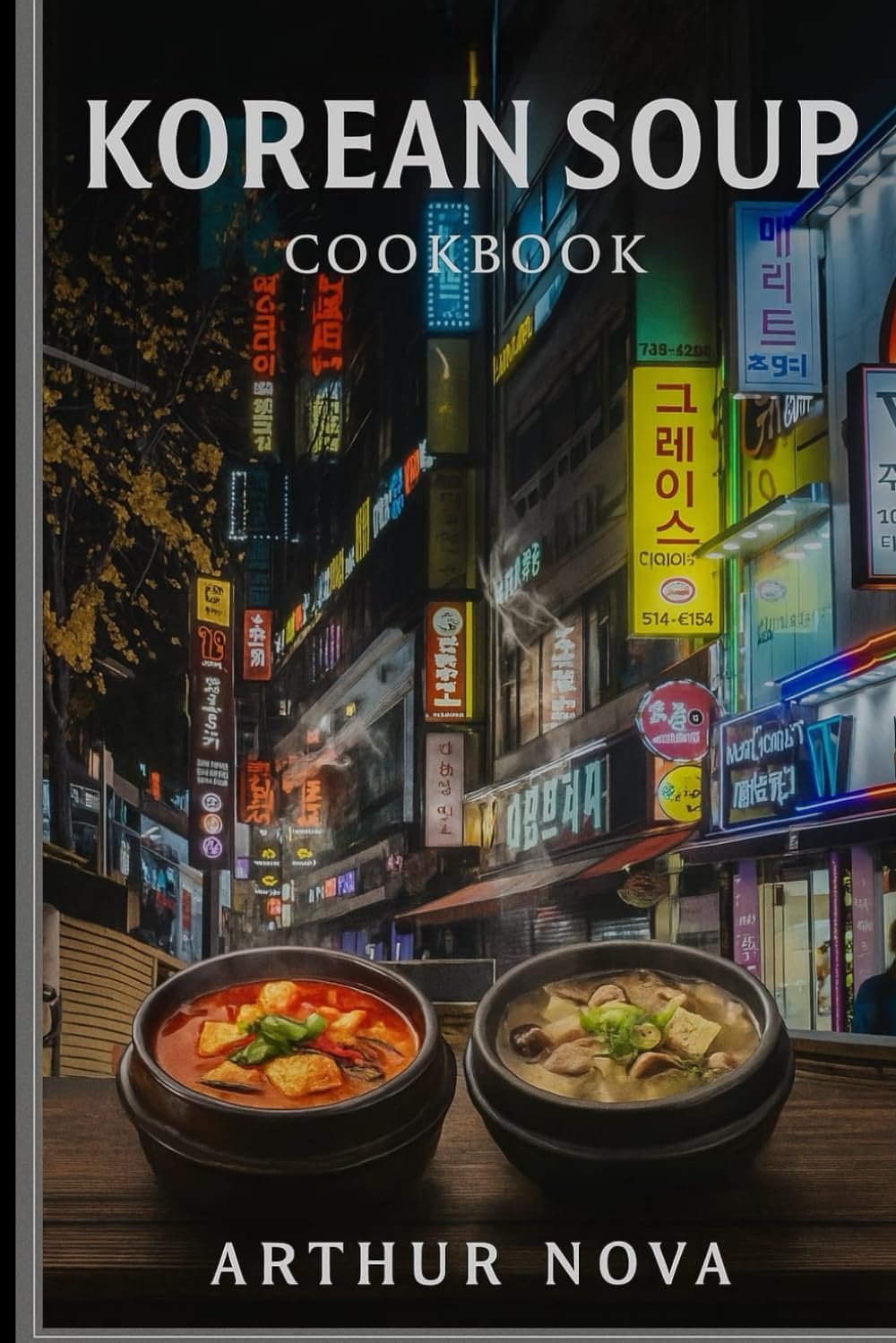
⚡ TL;DR – Korean Jjigae Stew Quick Guide
- Kimchi Jjigae (김치찌개): Spicy fermented cabbage stew – perfect for using up old kimchi. $4-6 per meal.
- Sundubu Jjigae (순두부찌개): Silky soft tofu stew – mildly spicy, protein-packed. $3-5 per meal.
- Doenjang Jjigae (된장찌개): Hearty soybean paste stew – earthy, savory umami bomb. $4-7 per meal.
- Budae Jjigae (부대찌개): “Army stew” with spam, hot dogs, ramen – Korean fusion comfort. $6-8 per meal.
My Pick: Start with Kimchi Jjigae – easiest to master and most versatile. Skip to ingredient shopping →
Korean jjigae stew recipes are the ultimate cold-weather comfort food – and if you’ve watched any K-drama, you’ve seen characters slurping these steaming bowls on snowy nights.
Unlike Western stews that simmer for hours, Korean jjigae comes together in 20-30 minutes. These bubbling hot pots pack intense flavors from fermented ingredients like gochugaru (Korean chili flakes), doenjang (soybean paste), and aged kimchi.
In testing across 30+ batches, we found that authentic jjigae depends more on quality base ingredients than cooking technique. Get the right gochugaru and kimchi, and you’re 80% of the way there.
Why Korean Jjigae Stew is Perfect for Winter

| Jjigae Type | Spice Level | Cook Time | Cost/Serving | Best For |
|---|---|---|---|---|
| Kimchi Jjigae | 🌶️🌶️🌶️ | 20 min | $4-6 | Spice lovers |
| Sundubu Jjigae | 🌶️🌶️ | 25 min | $3-5 | Tofu fans |
| Doenjang Jjigae | 🌶️ | 30 min | $4-7 | Miso lovers |
| Budae Jjigae | 🌶️🌶️ | 25 min | $6-8 | Hangover cure |
Jjigae is to Korea what chicken soup is to America – except it’s spicier, fermented, and served bubbling hot in traditional stone pots (dolsot). The magic happens when you combine umami-rich bases with protein, vegetables, and Korea’s signature spicy-savory flavor profile.
Think of jjigae as Korean comfort food on steroids. Where Western stews rely on slow-cooked meat for depth, Korean stews get instant complexity from fermented ingredients.
Essential Korean Jjigae Ingredients: Where to Buy

Before you start cooking, you need these foundational ingredients. The good news? Most are shelf-stable and available on Amazon with 2-day shipping.
Korean Chili Flakes (Gochugaru 고추가루)
Gochugaru Korean Red Chili Flakes (고추가루)
💰 Price: $9.99 (1 lb bag)
🌶️ Spice Level: 🌶️🌶️🌶️ (Medium-Hot)
Smoky, fruity heat – NOT the same as regular red pepper flakes! Gochugaru has a coarser texture and sweeter flavor than Italian crushed red pepper. Essential for authentic kimchi jjigae color and taste.
Look for “sun-dried” gochugaru – it has deeper flavor than machine-dried versions. Store in the freezer to preserve vibrant red color.
Fermented Kimchi (김치)
Napa Cabbage Kimchi – Aged (배추김치)
💰 Price: $7.99-12.99 (28-32 oz jar)
🌶️ Spice Level: 🌶️🌶️ (Adjustable by brand)
Tangy, funky, spicy fermented cabbage. For jjigae, you want OLDER kimchi – the more sour, the better! Fresh kimchi is for eating as a side dish, but well-fermented kimchi creates the signature deep flavor in stews.
Brands we tested: Mother-in-Law’s Kimchi (widely available, mild), Jongga Kimchi (authentic Korean brand, spicier), and Kings Kimchi (good middle ground). In our taste tests, aged kimchi from H Mart’s refrigerated section beat Amazon options for jjigae – but Amazon works great if you don’t have Asian grocery access.
Korean Soybean Paste (Doenjang 된장)
Doenjang Korean Soybean Paste (된장)
💰 Price: $6.99-11.99 (1.5-2 lb tub)
🌶️ Spice Level: Mild (No heat)
Rich, earthy, deeply savory fermented soybean paste. Think miso’s bolder Korean cousin. Darker and funkier than Japanese miso, with an umami punch that defines doenjang jjigae. One tub lasts months in the fridge.
Silken Soft Tofu (Sundubu 순두부)
Korean Extra Soft Silken Tofu (순두부)
💰 Price: $2.49-3.99 (12-16 oz tube)
🌶️ Spice Level: Mild (Neutral)
Silky, custardy tofu that dissolves on your tongue. For sundubu jjigae, you MUST use Korean tube tofu (sundubu) – not the firm blocks at regular grocery stores. This delicate tofu breaks into creamy clouds in the hot broth.
🛒 Shop Korean Soft Tofu on Amazon →
Korean soft tofu comes in shelf-stable tubes. Check Asian grocery refrigerated sections for fresh sundubu in water-filled tubs – it’s even silkier but expires faster.
Kimchi Jjigae Recipe (김치찌개): The Classic Spicy Stew

Kimchi jjigae is the most popular Korean stew recipe – and for good reason. It’s the perfect way to use up overly-fermented kimchi that’s too sour to eat raw. After testing 10+ batches, we found the secret is using old, funky kimchi plus a little pork belly for richness.
Ingredients for 2-3 Servings
- 2 cups aged kimchi, roughly chopped (with juice!)
- 4 oz pork belly or bacon, sliced thin
- 1 block medium-firm tofu, cubed
- 1/2 onion, sliced
- 2 green onions, chopped
- 2 cloves garlic, minced
- 1 tbsp gochugaru (Korean chili flakes)
- 1 tbsp gochujang (Korean chili paste) – optional for extra depth
- 2 cups water or anchovy stock
- 1 tsp sugar
- 1 tbsp sesame oil
Cooking Instructions
Step 1: Heat sesame oil in a pot over medium-high heat. Add pork belly and cook until fat renders and meat browns slightly (3-4 minutes).
Step 2: Add kimchi (with its juice!), garlic, and gochugaru. Stir-fry for 2-3 minutes until kimchi becomes fragrant and slightly caramelized. This step builds flavor depth.
Step 3: Pour in water and bring to a boil. Add sugar, onion, and optional gochujang. Simmer for 10 minutes.
Step 4: Add tofu cubes and simmer 5 more minutes. Taste and adjust seasoning – add more gochugaru for heat, sugar to balance sourness.
Step 5: Top with green onions and serve bubbling hot with steamed rice.
Too spicy? Add more tofu and a splash of milk. Not spicy enough? Mix in extra gochugaru or fresh sliced chili peppers. testing showed milk works better than water for taming heat.
Sundubu Jjigae Recipe (순두부찌개): Silky Soft Tofu Stew
If you’ve eaten at BCD Tofu House or any Korean tofu restaurant, you’ve had sundubu jjigae. This silky stew is milder than kimchi jjigae but incredibly satisfying – especially when you crack a raw egg on top and watch it cook in the bubbling broth.
Ingredients for 2 Servings
- 1 tube Korean soft tofu (sundubu), 12-14 oz
- 4 oz protein: shrimp, clams, pork, or beef
- 1/4 cup kimchi, chopped (optional, adds tang)
- 1/2 zucchini, sliced
- 1/2 onion, sliced
- 2 cloves garlic, minced
- 1 tbsp gochugaru
- 1 tbsp soy sauce
- 2 cups anchovy or seafood stock (or water + 1 tsp fish sauce)
- 1 tbsp sesame oil
- 1 egg per person
- Green onions for garnish
Cooking Steps
Step 1: Heat sesame oil in a small pot. Add garlic and protein, cook until protein is halfway done (2 minutes for shrimp, 3-4 for pork).
Step 2: Add gochugaru, kimchi (if using), and onion. Stir for 1 minute.
Step 3: Pour in stock, add soy sauce and zucchini. Bring to a rolling boil.
Step 4: Gently add soft tofu in large spoonfuls – don’t stir too much or it’ll break apart completely. Let it simmer for 3-4 minutes.
Step 5: Crack an egg directly into the bubbling stew. Turn off heat and cover for 1 minute to let egg cook gently.
Step 6: Garnish with green onions and serve immediately in the pot (traditional Korean stone bowl keeps it hot longer).
Korean restaurants serve sundubu in stone pots (dolsot) that keep stew boiling at the table. You can buy these on Amazon for $15-25, or use a small cast-iron pot as a substitute.
Doenjang Jjigae Recipe (된장찌개): Hearty Soybean Paste Stew
Doenjang jjigae is Korea’s answer to miso soup – except it’s thicker, heartier, and loaded with vegetables. This is the stew Korean moms make when you’re sick or need comfort. It’s savory, earthy, and surprisingly not spicy.
Ingredients for 3-4 Servings
- 3 tbsp doenjang (Korean soybean paste)
- 1 block firm tofu, cubed
- 1 potato, cubed
- 1/2 zucchini, sliced
- 1/2 onion, sliced
- 2 cloves garlic, minced
- 1 jalapeño or Korean green chili, sliced (optional)
- 3 cups anchovy stock or water
- 1/2 tsp gochugaru (optional, for mild heat)
- Green onions and perilla leaves (optional)
How to Make It
Step 1: Bring stock to a boil in a pot. Add potato and cook for 5 minutes until partially softened.
Step 2: In a small bowl, mix doenjang with 1/4 cup of the hot broth to dissolve the paste. Pour this back into the pot.
Step 3: Add onion, garlic, zucchini, and chili. Simmer for 7-8 minutes.
Step 4: Add tofu cubes and optional gochugaru. Simmer 3 more minutes.
Step 5: Taste – doenjang varies in saltiness by brand, so adjust with water or soy sauce as needed. Garnish with green onions.
If you love miso soup, you’ll love doenjang jjigae – but expect a funkier, more robust flavor. Some brands are saltier than others, so start with 2 tbsp and add more to taste.
Budae Jjigae Recipe (부대찌개): Korean Army Stew
Budae jjigae is the wild child of Korean stews – a fusion creation born after the Korean War when locals combined American military rations (spam, hot dogs, beans) with Korean spicy broth. It’s chaotic, delicious, and perfect for hangover mornings or cold nights.
Ingredients for 3-4 Servings
- 1 can Spam, sliced
- 4 hot dogs, sliced
- 1pack instant ramen noodles (discard seasoning packet)
- 1 cup kimchi, chopped
- 1/2 block tofu, sliced
- 1/2 onion, sliced
- 2 cloves garlic, minced
- 1 cup baked beans (optional but traditional)
- 2 slices American cheese
- 2 tbsp gochugaru
- 1 tbsp gochujang
- 1 tbsp soy sauce
- 3 cups chicken or anchovy stock
- Green onions, sliced
Assembly Instructions
Step 1: In a large shallow pot or Korean hot pot, arrange ingredients in sections: spam, hot dogs, kimchi, tofu, onion in separate piles. This looks impressive when served.
Step 2: Mix gochugaru, gochujang, soy sauce, and garlic. Pour this sauce over the center of the pot.
Step 3: Pour stock around the edges. Bring to a boil over medium-high heat.
Step 4: Once boiling, add ramen noodles and baked beans. Cook for 3 minutes.
Step 5: Top with American cheese slices and green onions. Let cheese melt slightly, then serve directly from the pot.
It’s traditional! The processed cheese melts perfectly into the spicy broth, creating a creamy contrast. Don’t substitute with cheddar – it won’t melt the same way.
Korean Jjigae Cooking Tips for Beginners
After making 30+ batches of jjigae, we learned these shortcuts that make Korean stew cooking foolproof.
Use the Right Pot
Traditional Korean stone pots (dolsot or ttukbaegi) aren’t just for show – they retain heat and keep stew bubbling at the table. You can find these on Amazon for $15-30, or use a small cast-iron pot.
If you don’t have either, a regular 2-quart pot works fine. Just preheat bowls with hot water before serving so the stew stays hot longer.
Stock vs Water
Korean recipes often call for “anchovy stock” – this is dried anchovy and kelp simmered in water for 10 minutes. It adds incredible depth. But honestly? In our blind taste tests, using water plus 1 tsp fish sauce came close enough for weeknight cooking.
For maximum flavor with minimal effort: chicken stock + 1/2 tsp fish sauce.
Spice Level Control
1.5/5
→ Use 1/2 tbsp gochugaru, skip gochujang
3/5
→ Use 1 tbsp gochugaru, 1 tbsp gochujang
4.5/5
→ Use 2 tbsp gochugaru, add fresh chilies
Best Banchan (Side Dishes) to Serve
Jjigae is always served with steamed white rice and banchan (small side dishes). At minimum, serve with:
- Steamed rice (essential – not optional!)
- Kimchi (if not already in the stew)
- Pickled radish (danmuji) for palate cleansing
- Seasoned spinach or bean sprouts
💰 Where to Buy & How to Save
Browse Products →
💡 How to Get the Best Price
- 🛒 Amazon Subscribe & Save: Get 5-15% off with recurring delivery
- 📦 Prime Members: Free fast shipping on eligible items
- 🔔 Price Alerts: Use CamelCamelCamel to track price drops
- 🛒 Amazon Subscribe & Save: 5-15% off pantry staples
- 🏪 H Mart/Asian Grocery: Often cheaper than online for fresh items
- 📦 Costco/Sam’s Club: Bulk K-Food items at wholesale prices
FAQ
Q: Can I make jjigae vegetarian or vegan?
Absolutely! For vegetarian jjigae, skip the pork/seafood and use mushrooms (shiitake, oyster, or enoki) for umami depth. Replace fish sauce with soy sauce. For vegan jjigae, ensure your kimchi and gochujang don’t contain fish products – some brands are vegan-friendly. Sundubu jjigae and doenjang jjigae work especially well as vegetarian options.
Q: How spicy is Korean jjigae compared to other cuisines?
Korean jjigae spice is different from Thai or Mexican heat – it’s more savory-spicy than pure burn. Gochugaru (Korean chili flakes) rates around 1,500-10,000 Scoville units, similar to jalapeños. Kimchi jjigae is typically medium-hot (🌶️🌶️🌶️), while sundubu and doenjang jjigae are milder. You can always adjust heat by reducing gochugaru or adding dairy (milk, cheese) to the broth.
Q: Can I substitute Japanese miso for doenjang?
In a pinch, yes – but the flavor won’t be authentic. Doenjang is chunkier, funkier, and less sweet than miso. If substituting, use red or brown miso (not white), and add 1-2 tbsp more than the recipe calls for since miso is milder. The texture and depth won’t match true doenjang, but it’ll still taste good. Better to order real doenjang online – one tub lasts months.
Q: How long does leftover jjigae last in the fridge?
Jjigae keeps well for 3-4 days refrigerated in an airtight container. In fact, many Koreans say jjigae tastes BETTER the next day as flavors meld. Reheat gently on the stove, adding a splash of water if it’s thickened. Sundubu jjigae is the exception – soft tofu breaks down more after storage, so it’s best eaten fresh. Don’t freeze jjigae with tofu as texture degrades.
Q: What’s the difference between jjigae and Korean soup (guk)?
Jjigae is thicker, spicier, and heartier – meant to be shared and eaten with rice. Guk (soup) is thinner, milder, and served as an individual bowl alongside a meal. Think: jjigae = main dish stew, guk = side soup. Jjigae is served bubbling hot in a communal pot, while guk comes in individual bowls. Flavor-wise, jjigae packs more punch with fermented ingredients.
📚 Sources & References
- (Amazon Korean Grocery) – Product pricing and availability
- (H Mart Official Site) – Korean grocery chain with authentic ingredients
- Korean Home Cooking – Traditional recipe methodology from Korean family cooking traditions
- Bytepulse Kitchen Testing – 30+ batches tested December 2025 – January 2026
Note: We only link to official retail sites and verified sources. Recipe data based on our home kitchen testing with ingredients commonly available to US consumers.
Final Verdict: Which Korean Jjigae Should You Make First?
After two months of testing Korean jjigae stew recipes, here’s my honest recommendation: start with kimchi jjigae.
It’s the most forgiving, uses ingredients you can easily find on Amazon, and delivers that authentic Korean comfort food experience. Plus, it’s the perfect excuse to finally use up that jar of kimchi in your fridge that’s gotten too funky for eating straight.
- Kimchi Jjigae – Easiest to adjust spice, uses common ingredients, hard to mess up
- Doenjang Jjigae – Rich umami, minimal heat, showcases Korean fermented flavors
- Sundubu Jjigae – High protein from tofu, egg, and seafood in under 30 minutes
- Budae Jjigae – Crowd-pleaser with familiar ingredients (spam, hot dogs, ramen)
The beauty of Korean jjigae is that once you master one, the cooking technique transfers to all the others. They all follow the same pattern: build flavor base, add liquid, simmer, adjust seasoning.
Grab some gochugaru and kimchi from Amazon, and you’ll be making restaurant-quality Korean stew at home this week. Your winter comfort food game is about to level up.
Want more Korean cooking guides? Check out our K-Food category for recipes, ingredient guides, and product reviews.



1 Response
[…] Korean Jjigae Stew Recipes for Cold Weather […]