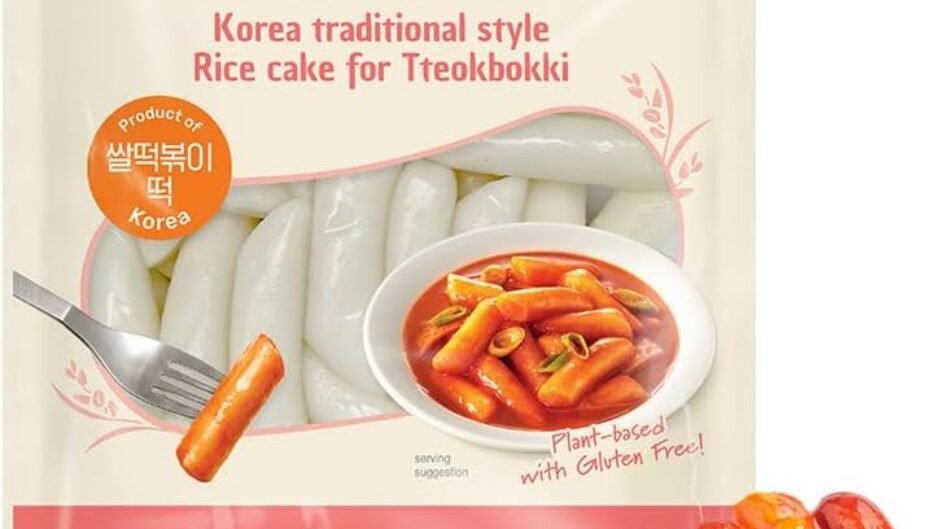
Craving that addictive, sweet-spicy Korean street food you’ve seen in K-dramas? Tteokbokki (떡볶이) is Korea’s most beloved comfort food—chewy rice cakes swimming in a fiery red sauce that’s equal parts sweet, spicy, and savory. The good news? You can recreate this iconic dish in your own kitchen with just a few key ingredients!
This complete guide will walk you through everything you need to make restaurant-quality tteokbokki at home, from sourcing authentic ingredients to mastering the perfect sauce consistency. Whether you’re a K-food newbie or a seasoned home cook, you’ll be whipping up this crave-worthy dish in under 30 minutes.
What is Tteokbokki? Understanding Korea’s Iconic Street Food
Tteokbokki is Korea’s ultimate street food snack—cylindrical rice cakes (tteok) coated in a glossy gochujang-based sauce. Think of it as Korea’s answer to mac and cheese: simple ingredients transformed into pure comfort food magic.
The dish originated in Seoul’s street food stalls in the 1950s and has since become a cultural phenomenon. You’ll find tteokbokki vendors on every Korean street corner, and it’s a staple late-night snack after karaoke sessions or soju nights.
Flavor Profile: What Does Tteokbokki Taste Like?
If you’ve never tried tteokbokki, imagine this: chewy, slightly sweet rice cakes (texture similar to mochi but firmer) drenched in a sauce that hits all the right notes—spicy from gochugaru (Korean chili flakes), sweet from sugar, savory from soy sauce, and umami-rich from anchovy stock.
3/5
Essential Ingredients: What You’ll Need to Buy
The secret to authentic tteokbokki lies in using the right ingredients. Here’s your complete shopping list with where to find each item:
Main Ingredients
Korean Rice Cakes – Garaetteok (가래떡)
💰 Price: $5.99-$8.99 per lb
🌶️ Spice Level: Not spicy
These cylindrical rice cakes are the star of the dish. Look for fresh or frozen packages—both work perfectly. They should be chewy, not mushy. Fresh ones are softer; frozen need soaking before cooking.
(🛒 Shop on Amazon →)
Gochujang – Korean Red Pepper Paste (고추장)
💰 Price: $6.99-$9.99 per tub
🌶️ Spice Level: 🌶️🌶️🌶️ Medium-Hot
This fermented red pepper paste is the soul of tteokbokki sauce. It’s savory, sweet, and spicy all at once. CJ Haechandle and Chung Jung One are the most popular brands. A single tub lasts months in your fridge!
(🛒 Shop on Amazon →)
Gochugaru – Korean Chili Flakes (고춧가루)
💰 Price: $8.99-$12.99 per bag
🌶️ Spice Level: 🌶️🌶️🌶️ Medium-Hot
These vibrant red flakes add extra heat and that signature red color to the sauce. Unlike regular chili flakes, gochugaru has a slightly sweet, smoky flavor. Look for “coarse” or “fine” grind—either works!
(🛒 Shop on Amazon →)
Additional Ingredients (Pantry Staples)
- Soy sauce – Adds savory depth ($3-5)
- Sugar – Balances the heat with sweetness (regular white or brown sugar works)
- Garlic – Fresh minced garlic is essential for that aromatic kick
- Fish cakes (Eomuk/어묵) – Optional but traditional ($4-6 on Amazon)
- Green onions – For garnish and freshness
- Sesame seeds – Toasted seeds add nutty flavor
- Hard-boiled eggs – Classic tteokbokki topping
Step-by-Step Tteokbokki Recipe: The Authentic Method
Ready to cook? This recipe serves 2-3 people as a main dish or 4 as an appetizer. Total time: 25-30 minutes.
Prep Work (5 minutes)
Step 1: If using frozen rice cakes, soak them in cold water for 10 minutes to soften. Fresh rice cakes can skip this step but rinse them briefly under water to remove excess starch.
Step 2: Slice fish cakes into bite-sized triangles or strips. Chop green onions into 2-inch pieces. Peel and mince 3 cloves of garlic.
Step 3: Boil 2 eggs for 7 minutes, then peel and set aside. These will go on top as a garnish.
Making the Sauce Base (5 minutes)
Step 4: In a large pan or wok, combine 2½ cups water (or anchovy/kelp stock for more authentic flavor), 3 tablespoons gochujang, 1 tablespoon gochugaru, 2 tablespoons soy sauce, and 2 tablespoons sugar.
Step 5: Add the minced garlic and stir everything together until the gochujang dissolves completely. No lumps! The sauce should look bright red and slightly thin—it’ll thicken as it cooks.
Pro Tip: For a richer sauce, add 1 tablespoon of corn syrup (Korean “mulyeot” or regular Karo syrup). This gives the sauce that glossy, sticky texture you see in restaurants.
Cooking the Tteokbokki (15 minutes)
Step 6: Bring the sauce to a boil over medium-high heat. Once boiling, add the drained rice cakes and fish cakes.
Step 7: Cook for 8-10 minutes, stirring occasionally. The rice cakes will soften and the sauce will reduce and thicken. You want the sauce to coat the back of a spoon—not watery, but not paste-thick either.
Step 8: Taste and adjust! Add more sugar if it’s too spicy, more gochugaru if you want extra heat, or a splash of water if the sauce gets too thick.
Step 9: Add the green onions in the last 2 minutes of cooking. They should stay slightly crisp and bright green.
Serving Your Tteokbokki
Step 10: Transfer to a shallow bowl or traditional Korean street food container. Top with halved hard-boiled eggs and sprinkle with sesame seeds.
Serve immediately while hot! Tteokbokki is best eaten fresh when the rice cakes are at peak chewiness. The sauce will continue to thicken as it cools, so add a splash of water if reheating leftovers.
Delicious Variations: Customize Your Tteokbokki
Once you’ve mastered the basic recipe, try these popular variations that Koreans love:
Cheese Tteokbokki (치즈 떡볶이)
This Instagram-famous version adds stretchy mozzarella cheese on top. Simply sprinkle 1 cup shredded mozzarella over the finished tteokbokki, cover with a lid for 2 minutes until melted, and watch that glorious cheese pull!
Mozzarella Cheese for Tteokbokki
💰 Price: $4.99-$6.99 per bag
Low-moisture mozzarella works best for that iconic cheese pull. Korean brands like Seoul Milk make specific “cheese tteokbokki” blends, but regular mozzarella is perfect!
(🛒 Shop on Amazon →)
Rabokki (라볶이) – Ramen + Tteokbokki
Add instant ramen noodles to your tteokbokki for the ultimate carb-on-carb comfort food. Cook the noodles separately, drain, and add them in the last 3 minutes. Use half the ramen seasoning packet for extra flavor.
Seafood Tteokbokki (해물 떡볶이)
Make it fancy with shrimp, squid, or mussels. Add seafood in the last 5 minutes of cooking—they cook quickly and you don’t want them rubbery!
Cream Tteokbokki (크림 떡볶이)
For a milder, creamy version, stir in ½ cup heavy cream at the end. This cuts the spiciness and creates a rose-colored sauce that’s incredibly rich.
Pro Tips for Perfect Tteokbokki Every Time
After making countless batches, here are the insider secrets that separate good tteokbokki from mind-blowing tteokbokki:
Rice Cake Texture Tips
- Don’t overcook: Rice cakes should be chewy (QQ texture), not mushy. Test after 8 minutes—they should have a slight bounce when you bite.
- Fresh vs. frozen: Fresh rice cakes cook faster (5-7 minutes). Frozen take longer (10-12 minutes) but taste identical once cooked.
- Prevent sticking: Stir every 2-3 minutes, especially at the beginning. Rice cakes love to stick to the pan!
Sauce Consistency Secrets
- Too thick? Add water 2 tablespoons at a time. The sauce should coat the rice cakes like a glaze, not clump them together.
- Too thin? Let it simmer uncovered for 3-5 more minutes. The starches from the rice cakes will help thicken it naturally.
- Not glossy enough? Add 1 teaspoon sesame oil at the very end for shine and nutty aroma.
Spice Level Adjustments
- Too spicy: Add more sugar (1 tablespoon at a time), a splash of milk, or top with extra cheese to mellow the heat.
- Not spicy enough: Increase gochugaru (not gochujang—that adds fermented flavor, not just heat).
- Kid-friendly version: Reduce gochujang to 2 tablespoons and skip the gochugaru entirely. Add 1 tablespoon ketchup for sweetness.
Storage and Reheating: Make-Ahead Tips
Tteokbokki is best fresh, but here’s how to store and reheat it properly:
Refrigeration
Store cooled tteokbokki in an airtight container for up to 3 days. The rice cakes will harden in the fridge (totally normal!). When reheating, add ¼ cup water and heat in a pan over medium heat for 5-7 minutes, stirring frequently until the rice cakes soften again.
Freezing Tips
You can freeze uncooked rice cakes for up to 3 months. Cooked tteokbokki doesn’t freeze well—the texture becomes grainy and the rice cakes turn mushy when thawed.
Meal Prep Strategy
Make the sauce base ahead and store it separately for up to 1 week. When ready to eat, just heat the sauce, add fresh rice cakes, and cook for 10 minutes. This keeps the rice cakes at optimal chewiness!
Common Mistakes and How to Avoid Them
Learn from these rookie errors so your first batch turns out perfect:
❌ Mistake #1: Using regular chili flakes instead of gochugaru. Italian red pepper flakes are too spicy and lack the sweet, smoky flavor. Always use Korean gochugaru!
❌ Mistake #2: Adding rice cakes to cold sauce. Always bring the sauce to a boil first, then add rice cakes. This prevents uneven cooking.
❌ Mistake #3: Not tasting as you go. Every brand of gochujang has different salt and spice levels. Taste after 8 minutes and adjust sugar/soy sauce accordingly.
❌ Mistake #4: Letting it sit too long. Rice cakes absorb sauce and harden quickly. If making for a party, keep the sauce and rice cakes separate until serving time.
FAQ: Your Tteokbokki Questions Answered
Can I make tteokbokki without gochujang?
Technically yes, but it won’t taste authentic. Gochujang provides the fermented umami depth that makes tteokbokki special. If you absolutely can’t find it, substitute with 2 tablespoons tomato paste + 1 tablespoon sriracha + 1 teaspoon miso paste—but seriously, just order gochujang from Amazon. One tub lasts forever and opens up dozens of Korean recipes!
Are rice cakes gluten-free?
Yes! Traditional Korean rice cakes (garaetteok) are made from 100% rice flour and are naturally gluten-free. However, check labels carefully—some brands add wheat starch for texture. The sauce itself contains soy sauce (which has wheat), so use tamari or gluten-free soy sauce if you’re celiac.
Why are my rice cakes mushy instead of chewy?
You overcooked them! Rice cakes only need 8-10 minutes in boiling sauce. If using fresh rice cakes, start checking at 5 minutes. They should be soft but still have a bouncy, QQ texture. Once they go mushy, there’s no fixing it—time to start a new batch.
What’s the difference between tteokbokki and rabokki?
Tteokbokki is just rice cakes in spicy sauce. Rabokki (라볶이) is a combo dish that adds ramen noodles (ra-myeon + tteok-bokki = rabokki). It’s more filling and carb-heavy—perfect for soaking up extra sauce. Many Korean street food stalls offer both options!
Can I make tteokbokki less spicy for kids?
Absolutely! Cut the gochujang in half (use only 1½ tablespoons), skip the gochugaru completely, and add 1 tablespoon ketchup plus an extra tablespoon of sugar. This creates a sweeter, tomato-based version that’s kid-approved. You can also serve the spicy sauce on the side so adults can add more heat to their portions.
Where can I buy fresh rice cakes if I don’t have an Asian grocery store nearby?
Amazon and online Korean grocery stores ship frozen rice cakes nationwide. H Mart and Weee! also deliver to most US cities. Frozen rice cakes work just as well as fresh—just soak them in cold water for 10 minutes before cooking. They’ll last 3-6 months in your freezer, so stock up!
What should I serve with tteokbokki?
In Korea, tteokbokki is often paired with fried snacks to balance the spicy sauce. Popular sides include Korean fried chicken, kimchi, pickled radish (danmuji), kimbap rolls, or Korean fried dumplings (mandu). For drinks, cold milk, soju, or Korean rice punch (sikhye) are traditional choices that help cool the spice!
🎉 Ready to Make Tteokbokki at Home?
Now that you’re armed with all the secrets to perfect tteokbokki, it’s time to get cooking! Start with the classic recipe, then experiment with cheese, ramen, or seafood variations. Don’t forget to snap a photo of that gorgeous cheese pull for Instagram!
💡 Pro Tip: Make a double batch—tteokbokki disappears fast once people start eating. Trust us on this one!
![[SSSS CAM] SEVENTEEN (세븐틴) - THUNDER @SEVENTEEN WORLD TOUR [NEW_] IN INCHEON](https://bytepulse.io/wp-content/uploads/2026/01/maxresdefault-9-520x292.jpg)