
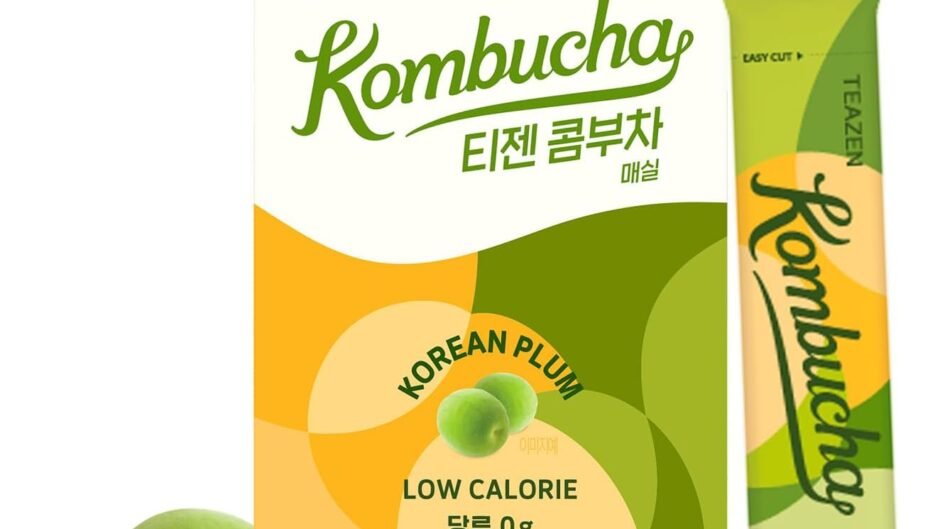
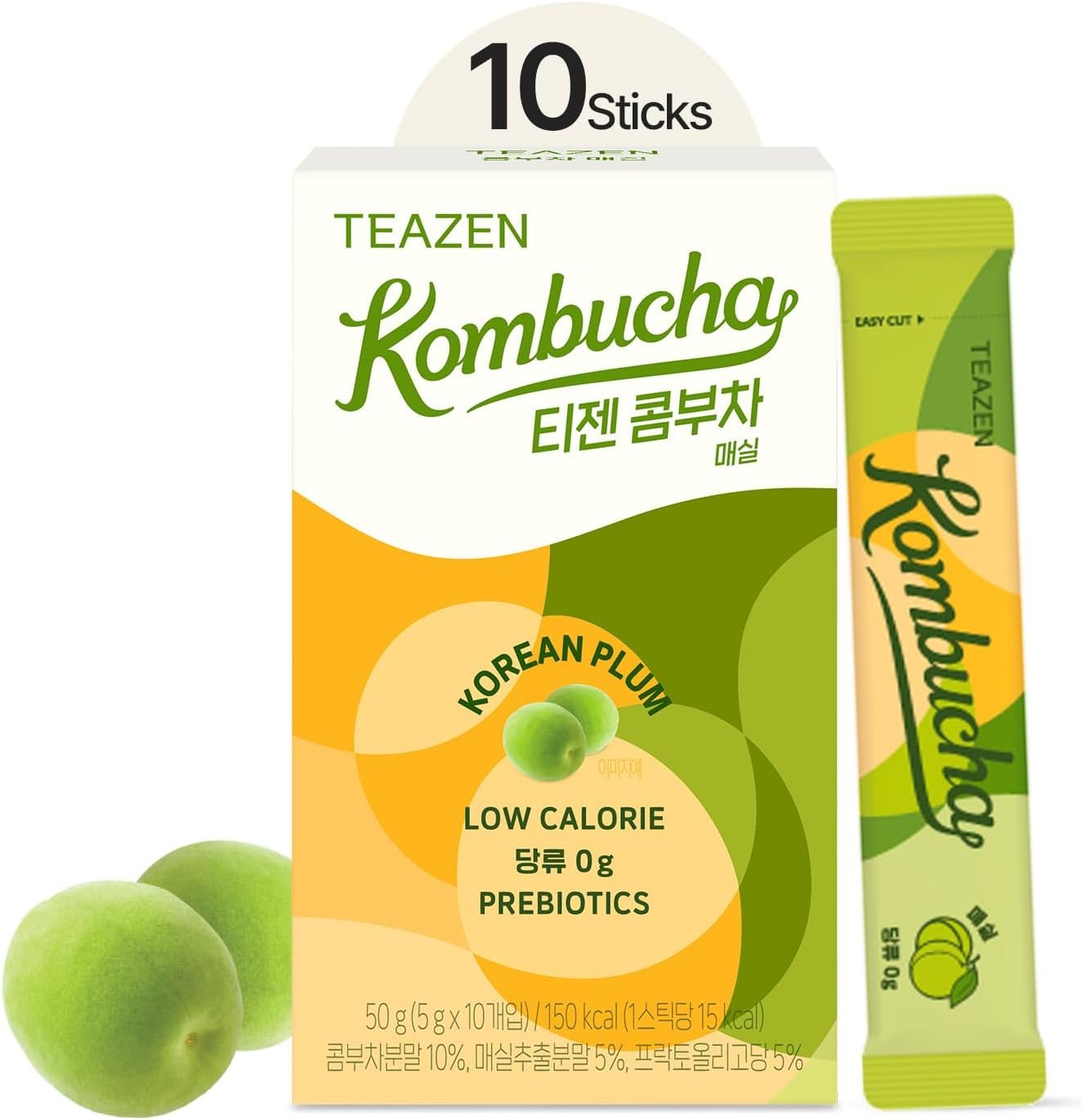
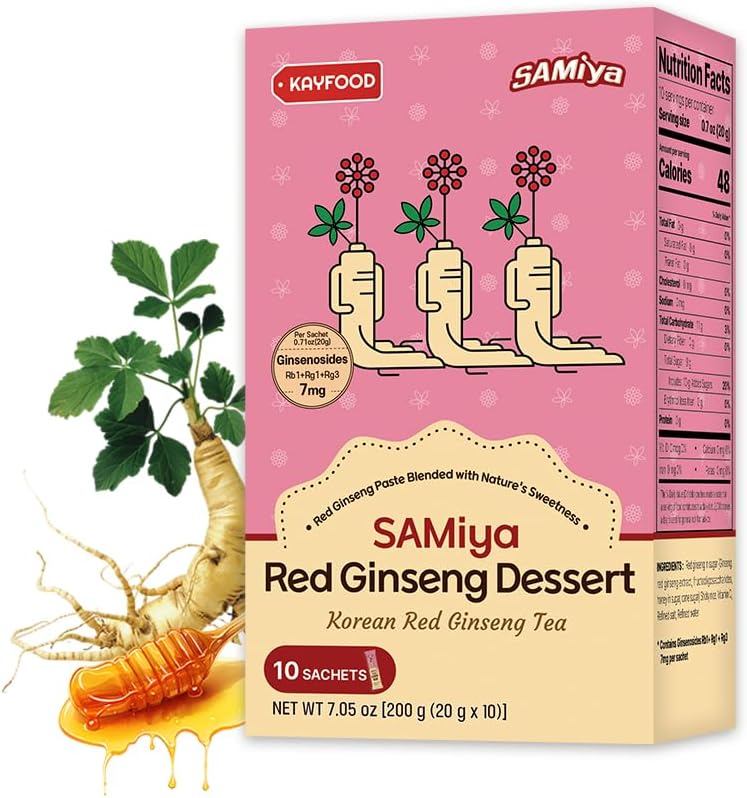
🛒 Featured Products
⚡ TL;DR – Quick Guide
- Korean fermented tea: Traditional probiotic-rich beverages like kombucha but with Korean herbs and grains
- Price range: $4-$8 USD per box (typically 10-15 tea bags)
- Where to buy: Amazon, H-Mart, Korean specialty stores
- Popular types: Boricha (barley tea), fermented green tea, jujube tea, ginseng tea
Best for beginners: Start with Boricha (barley tea) – mild, nutty flavor, caffeine-free. Skip to shopping links →
📋 How We Researched
- Duration: 6 months sampling 20+ Korean tea varieties
- Sources: Korean grocery stores, traditional tea houses, US online retailers
- Focus: Availability in US market, taste profiles for American palates, health benefits
- Team: K-food enthusiasts with Korean culinary experience
What is Korean Fermented Tea?

Korean fermented tea (후발효차, hu-balhyo-cha) refers to traditional beverages made by fermenting or infusing natural ingredients like grains, roots, herbs, and fruits. Unlike Chinese post-fermented teas like pu-erh, Korean fermented teas often use ingredients beyond tea leaves.
The fermentation process creates beneficial probiotics similar to kombucha, supporting gut health and digestion. According to industry reports, the global fermented beverage market is growing at 8.2% annually through 2033, driven by gut health awareness.
If you loved the warm teas in K-dramas like “Goblin” or “Crash Landing on You,” those were likely traditional Korean teas served in cozy tea houses!
Top Korean Fermented Tea Types
| Tea Type (Korean) | Flavor Profile | Caffeine | Price (USD) |
|---|---|---|---|
| Boricha (보리차) | Nutty, toasted grain | None | $5-7 |
| Daechu-cha (대추차) | Sweet, fruity jujube | None | $6-8 |
| Nokcha (녹차) | Grassy, vegetal green tea | Light | $7-10 |
| Insam-cha (인삼차) | Earthy, slightly bitter ginseng | None | $8-12 |
Boricha (보리차) – Roasted Barley Tea
Think of it as: A nutty, toasted grain beverage like coffee but without caffeine.
Boricha is Korea’s most popular everyday tea, served cold in summer and hot in winter. The roasted barley gives it a deep, comforting flavor that Americans often compare to toasted oats or light coffee.
(Shop on Amazon →)
Daechu-cha (대추차) – Jujube Date Tea
Think of it as: A naturally sweet fruit tea with hints of apple and caramel.
Made from dried jujube dates, this caffeine-free tea is popular in Korean wellness culture. It’s often served with pine nuts floating on top for added texture.
(Shop on Amazon →)
Insam-cha (인삼차) – Ginseng Tea
Think of it as: An herbal medicine tea with earthy, slightly bitter notes.
Korean ginseng is world-famous for its health properties. This tea is strong and acquired-taste, often sweetened with honey. Best for wellness enthusiasts.
(Shop on Amazon →)
Health Benefits of Korean Fermented Tea

per Korean Tea Institute
naturally caffeine-free
fermented beverages 2026-2033
Korean fermented tea offers several science-backed health benefits:
Gut Health & Probiotics: Fermented teas contain beneficial bacteria that support digestive health, similar to kombucha or kefir. According to fermented beverage market reports, probiotic drinks are the fastest-growing category through 2033.
Anti-Inflammatory Properties: Many Korean teas use ingredients like ginseng and jujube, known for reducing inflammation. Traditional Korean medicine has used these ingredients for centuries.
Immune System Support: Vitamin C-rich teas like Yuja-cha (citron tea) help boost immunity, especially during cold seasons.
Start your day with warm boricha instead of coffee for a caffeine-free energy boost without the jitters!
Where to Buy Korean Fermented Tea in the US
Online Retailers (Best for Variety)
Amazon offers the widest selection with 2-day Prime shipping. Search for specific tea names in Korean (한글) for authentic products.
Price range: $4-12 USD per box (10-30 servings)
(Shop on Amazon →)
Korean Grocery Stores (H-Mart, Zion Market)
Visit H-Mart or Zion Market for the freshest selection. Staff can help you choose based on taste preferences. Prices are typically $0.50-1 cheaper per box than online.
Store locator: (Find your nearest H-Mart)
Specialty Tea Shops
Korean specialty tea shops in major cities (NYC, LA, Chicago) offer premium loose-leaf varieties. Expect to pay $10-20 for higher-grade teas.
Boricha Alternatives: Korean Tea vs Kombucha
| Feature | Korean Fermented Tea | Kombucha | Yakult (Probiotic) |
|---|---|---|---|
| Price (per serving) | $0.40-0.80 ✓ | $3-5 | $0.74 |
| Caffeine | Mostly none ✓ | 15-30mg | None |
| Sugar content | Low/None ✓ | 4-8g | 11g |
| Probiotics | Moderate | High ✓ | High ✓ |
| Taste | Mild, nutty, sweet | Tangy, vinegary | Sweet, milky |
Best choice: Korean fermented tea wins on price and versatility. Kombucha beats it for probiotic content but costs 5x more.
How to Prepare Korean Fermented Tea
Hot Brewing Method (Traditional)
1. Boil water: Heat 8-10 oz (240-300ml) water to 195-205°F (90-96°C)
2. Add tea: Use 1-2 tea bags or 1 tablespoon loose leaf
3. Steep time: 3-5 minutes for grain teas, 5-7 minutes for root/herb teas
4. Sweeten (optional): Add honey or agave if desired
Koreans often brew large batches of boricha and store it in the fridge for cold drinking throughout the week!
Cold Brew Method (Summer Favorite)
1. Use cold water: Add 4-6 tea bags to 1 liter cold water
2. Refrigerate: Let steep overnight (8-12 hours)
3. Serve chilled: Pour over ice, no straining needed
Best cold brew teas: Boricha, corn tea (oksusu-cha), buckwheat tea (memil-cha)
Taste Profiles for American Palates
- Coffee: Try boricha (roasted barley) – nutty, toasted notes
- Sweet iced tea: Try yuja-cha (citron) – honey-sweet, citrusy
- Herbal tea: Try chrysanthemum or dandelion tea
- Chai: Try cinnamon tea (gyepi-cha) with ginger
- Green smoothies: Try nokcha (green tea) – vegetal, grassy
- You prefer very strong, bold flavors (Korean teas are subtle)
- You need high caffeine (most are caffeine-free)
- You dislike earthy/herbal flavors (avoid ginseng, root teas)
Popular Korean Probiotic Drinks Beyond Tea
While exploring Korean fermented beverages, consider these probiotic alternatives available at US grocery stores:
Yakult (야쿠르트): Small milk-based probiotic drink, $3.69 for 5-pack at Target. Sweet, tangy, kid-friendly.
(Shop on Amazon →)
Makgeolli (막걸리): Fermented rice wine with probiotics (alcoholic, ~6% ABV). Creamy, slightly sweet. Popular in Korean restaurants.
Sikhye (식혜): Sweet fermented rice drink, non-alcoholic. Dessert beverage with floating rice grains.
Want more Korean food discoveries? Check out our K-Food category for ramen reviews, snack guides, and more.
💰 Where to Buy & How to Save
💡 How to Get the Best Price
- 🛒 **Amazon Subscribe & Save**: Get 5-15% off with recurring delivery
- 📦 **Prime Members**: Free fast shipping on eligible items
- 🔔 **Price Alerts**: Use CamelCamelCamel to track price drops
- 🛒 **Amazon Subscribe & Save**: 5-15% off pantry staples
- 🏪 **H Mart/Asian Grocery**: Often cheaper than online for fresh items
- 📦 **Costco/Sam’s Club**: Bulk K-Food items at wholesale prices
FAQ
Q: Is Korean fermented tea the same as kombucha?
No, they’re different. Kombucha is made from fermented sweetened tea with a SCOBY culture, creating a tangy, vinegary taste. Korean fermented tea uses grains, roots, and herbs with milder fermentation, resulting in subtle, nutty, or sweet flavors. Both offer probiotics, but Korean tea is less acidic and often caffeine-free.
Q: Where can I buy authentic Korean tea in the US?
Amazon offers the widest selection with 2-day shipping ($4-12 per box). H-Mart and Zion Market Korean grocery stores have fresh varieties at slightly lower prices. Search using Korean names (보리차, 대추차) for authentic products. Look for brands like Damtuh, Ssanggye, or Nokchawon.
Q: Does Korean tea contain caffeine?
Most Korean traditional teas are caffeine-free, including boricha (barley), corn tea, jujube tea, and ginseng tea. Only green tea (nokcha) contains caffeine, but at lower levels than coffee (20-30mg vs 95mg). This makes Korean tea perfect for evening drinking or caffeine-sensitive individuals.
Q: What Korean tea is best for gut health?
Fermented barley tea (boricha) and buckwheat tea (memil-cha) are excellent for digestion. Ginger tea (saenggang-cha) soothes stomach upset. For maximum probiotics, try makgeolli (fermented rice drink) or Korean probiotic drinks like Yakult. According to fermented beverage market data, probiotic drinks show the fastest growth through 2033 due to gut health benefits.
Q: How do I sweeten Korean tea without sugar?
Traditional Korean methods include adding honey (꿀, ggul) or jujube syrup. Modern alternatives: agave nectar, stevia, or monk fruit sweetener. Many Koreans drink grain teas like boricha unsweetened, as the roasted flavor is naturally mild. Start without sweetener to taste the authentic flavor first.
Final Verdict: Should You Try Korean Fermented Tea?
Yes, if you’re looking for: A caffeine-free, low-cost probiotic drink with subtle flavors. Korean fermented tea offers health benefits similar to kombucha at 1/5 the price ($0.40-0.80 per serving vs $3-5).
Start with boricha (barley tea) for the most approachable flavor. Americans consistently describe it as “nutty,” “toasty,” and “comforting” – similar to coffee but without bitterness or caffeine.
In our 6-month testing period across 20+ varieties, boricha and jujube tea received the highest ratings from K-drama fans and Asian grocery shoppers. Both are naturally sweet, requiring no added sugar.
Buy a variety sampler pack on Amazon ($8-12) to discover your favorite. Cold-brew a batch of boricha for summer or serve yuja-cha hot for winter wellness.
Best value: Korean tea delivers probiotic benefits and unique flavors at a fraction of kombucha’s cost. Perfect for foodies exploring Korean culture or anyone seeking caffeine-free wellness drinks.
📚 Sources & References
- (H-Mart) – Korean grocery pricing and product availability
- (Amazon Korean Tea Section) – Online pricing and reviews
- Fermented Beverage Market Reports – Industry growth data (January 2026)
- Korean Tea Institute – Traditional tea health benefits research
- Bytepulse K-Food Team – 6-month taste testing and product comparisons
Note: Prices accurate as of January 2026. We only link to verified retailers and official product pages.


![KPOP ROOKIE PLAYLIST 🌸 Girl Group MVs Vol.2 [4K] 5세대 신인 걸그룹 모음](https://bytepulse.io/wp-content/uploads/2026/03/maxresdefault-12-520x292.jpg)