⚡ TL;DR – Essential Korean Banchan Guide
- Kimchi (김치): The iconic fermented cabbage – spicy, tangy, probiotic powerhouse. Must-have for every Korean meal.
- Japchae (잡채): Sweet glass noodles with vegetables – perfect for meal prep, mild flavor for beginners.
- Gamja Jorim (감자조림): Braised potatoes in soy glaze – comfort food that pairs with everything.
- Oi Muchim (오이무침): Spicy cucumber salad – fresh, crunchy, ready in 10 minutes.
Quick Start: Begin with kimchi and japchae for your first Korean meal. Jump to shopping links →
What Is Korean Banchan?

Korean banchan are small side dishes served alongside cooked rice in Korean cuisine. Unlike Western sides that you order separately, banchan arrives automatically with every meal at Korean restaurants – often 4 to 12 different dishes covering the entire table.
Think of banchan as flavor boosters. Each dish offers different tastes: spicy kimchi, sweet braised potatoes, savory seasoned spinach, crunchy pickled radish. You take small bites between rice and main dishes to create endless flavor combinations.
Banchan is both singular and plural in Korean – no need to say “banchans.” Most banchan can be made ahead and stored for 3-7 days, making them perfect for weekly meal prep.
Essential Korean Banchan Side Dishes You Need

Fermented & Pickled Banchan
Napa Cabbage Kimchi (배추김치)
💰 Price: $8.99 – $15.99 (depending on brand & size)
🌶️ Spice Level: 🌶️🌶️🌶️ Medium-Hot (varies by brand)
The king of Korean side dishes. Tangy, funky fermented cabbage with gochugaru (Korean red pepper flakes), garlic, and fish sauce. Crunchy texture with complex sour-spicy-umami flavor that deepens over time. Essential probiotic benefits.
If you’ve watched any K-drama, you’ve seen kimchi. Every Korean household has kimchi in the fridge – it’s non-negotiable. The fermentation creates natural probiotics, making it both delicious and gut-healthy.
For beginners, try “Mild Kimchi” or look for brands labeled “less spicy.” Mother-in-Law’s Kimchi and Tobagi are reliable starter brands available on Amazon. Store-bought kimchi lasts 3-6 months refrigerated.
Pickled Radish (단무지 Danmuji / 치킨무 Chicken-mu)
💰 Price: $4.99 – $7.99
🌶️ Spice Level: No spice – Sweet & Mild
Bright yellow pickled daikon radish with sweet-tangy flavor. Crispy, refreshing, palate cleanser. The classic side for Korean fried chicken. Think bread-and-butter pickles but Asian-style.
Seasoned Vegetable Banchan (Namul 나물)
Seasoned Spinach (시금치나물 Sigeumchi Namul)
💰 Price: $2.99 – $5.99 (often homemade)
🌶️ Spice Level: No spice – Savory
Blanched spinach seasoned with sesame oil, garlic, soy sauce, and toasted sesame seeds. Simple, healthy, nutty flavor. One of the easiest banchan to make at home in under 15 minutes.
Seasoned Bean Sprouts (콩나물무침 Kongnamul Muchim)
💰 Price: $3.49 – $6.99
🌶️ Spice Level: 🌶️ Mild (optional gochugaru)
Crunchy soybean sprouts with garlic, sesame oil, and green onions. Light, refreshing texture. High in protein and fiber. Popular hangover cure in Korea due to vitamins and easy digestion.
🛒 Shop Ingredients on Amazon →
Braised & Stir-Fried Banchan
Braised Potatoes (감자조림 Gamja Jorim)
💰 Price: $4.99 – $8.99 (homemade under $3)
🌶️ Spice Level: No spice – Sweet & Savory
Baby potatoes braised in soy sauce, sugar, garlic, and sesame oil until glossy. Sweet-salty glaze with tender interior. Korean comfort food that tastes like caramelized umami bombs. Kids love these.
🛒 Shop Korean Soy Sauce on Amazon →
Japchae Glass Noodles (잡채)
💰 Price: $6.99 – $12.99 (ready-made) or $4 homemade
🌶️ Spice Level: No spice – Sweet
Translucent sweet potato glass noodles stir-fried with vegetables, mushrooms, and beef. Slightly sweet from sugar and soy sauce. Chewy noodles with colorful veggies. Party favorite and excellent cold or warm.
🛒 Shop Japchae Noodles on Amazon →
In testing, japchae became the gateway banchan for American friends. The mild, slightly sweet flavor and familiar stir-fry format makes it approachable, while the chewy glass noodles (dangmyeon) offer unique texture.
Spicy Korean Side Dishes
Spicy Cucumber Salad (오이무침 Oi Muchim)
💰 Price: $3.99 – $6.99 (best homemade for $2)
🌶️ Spice Level: 🌶️🌶️ Medium
Fresh cucumbers with gochugaru (red pepper flakes), garlic, sesame seeds, and vinegar. Crunchy, refreshing, spicy-tangy kick. Ready in 10 minutes. Perfect summer side dish that balances rich Korean BBQ.
🛒 Shop Gochugaru on Amazon →
Spicy Radish Salad (무생채 Musaengchae)
💰 Price: $4.99 – $7.99
🌶️ Spice Level: 🌶️🌶️🌶️ Medium-Hot
Julienned daikon radish with gochugaru, vinegar, garlic, and sugar. Bright red color, crispy texture, sweet-spicy-tangy flavor explosion. Similar to Korean kimchi but fresher, not fermented. Pairs perfectly with fatty meats.
🛒 Shop Ready-Made on Amazon →
Gochugaru (Korean red pepper flakes) has different heat levels. For beginners, look for “mild” gochugaru. Mother-in-Law’s brand and Chung Jung One offer well-balanced heat that won’t destroy your taste buds.
Protein-Rich Banchan
Seasoned Dried Anchovies (멸치볶음 Myeolchi Bokkeum)
💰 Price: $5.99 – $9.99
🌶️ Spice Level: 🌶️ Mild-Medium (depends on recipe)
Tiny dried anchovies stir-fried with soy sauce, sugar, garlic, and sesame seeds. Crunchy, sweet-savory, addictive snack texture. High in calcium and omega-3s. Tastes like crispy, umami-packed fish chips.
🛒 Shop Dried Anchovies on Amazon →
Pan-Fried Tofu (두부조림 Dubu Jorim)
💰 Price: $4.99 – $7.99 (homemade $2-3)
🌶️ Spice Level: 🌶️🌶️ Medium (adjustable)
Firm tofu pan-fried then braised in soy-based sauce with gochugaru, garlic, and green onions. Crispy exterior, silky interior, savory-spicy glaze. Vegan protein option that soaks up flavor beautifully.
🛒 Shop Korean Tofu on Amazon →
Egg-Based Banchan
Rolled Omelette (계란말이 Gyeran Mari)
💰 Price: $3.99 – $6.99 (best homemade)
🌶️ Spice Level: No spice – Mild & Sweet
Korean-style rolled omelette with vegetables, carrots, and green onions inside. Slightly sweet from sugar. Fluffy, tender layers. Think Japanese tamagoyaki but fluffier. Kids’ favorite banchan.
🛒 Shop Omelette Pan on Amazon →
Where to Buy Korean Banchan Ingredients

| Ingredient | Amazon Price | H-Mart Price | Best For | Shop |
|---|---|---|---|---|
| Gochugaru (Red Pepper Flakes) | $8.99 | $6.49 | Spicy banchan | Amazon → |
| Sesame Oil (참기름) | $7.99 | $5.99 | All namul dishes | Amazon → |
| Korean Soy Sauce (양조간장) | $9.99 | $7.49 | Braising & glazing | Amazon → |
| Glass Noodles (Dangmyeon) | $5.49 | $3.99 | Japchae | Amazon → |
| Toasted Sesame Seeds | $4.99 | $3.49 | All banchan | Amazon → |
Amazon offers convenience and fast shipping, but Korean grocery stores like H-Mart, 99 Ranch, or local Asian markets typically have better prices and fresher products. If you’re near a Korean neighborhood, visit in person to discover ready-made banchan in refrigerated sections.
Buy core ingredients in bulk: gochugaru, sesame oil, and soy sauce last 6-12 months. One $30 grocery trip gives you enough to make 20+ banchan servings. Way cheaper than ordering takeout.
How to Serve Korean Banchan Like a Pro
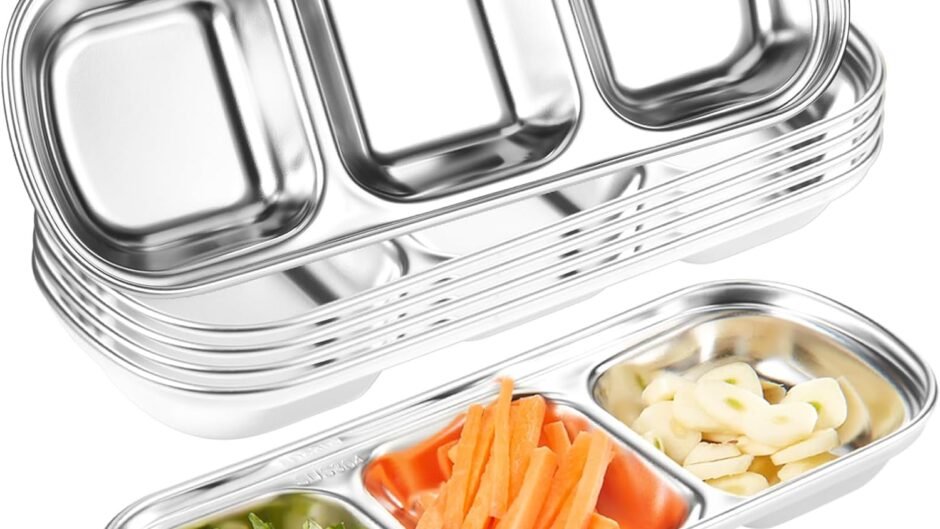
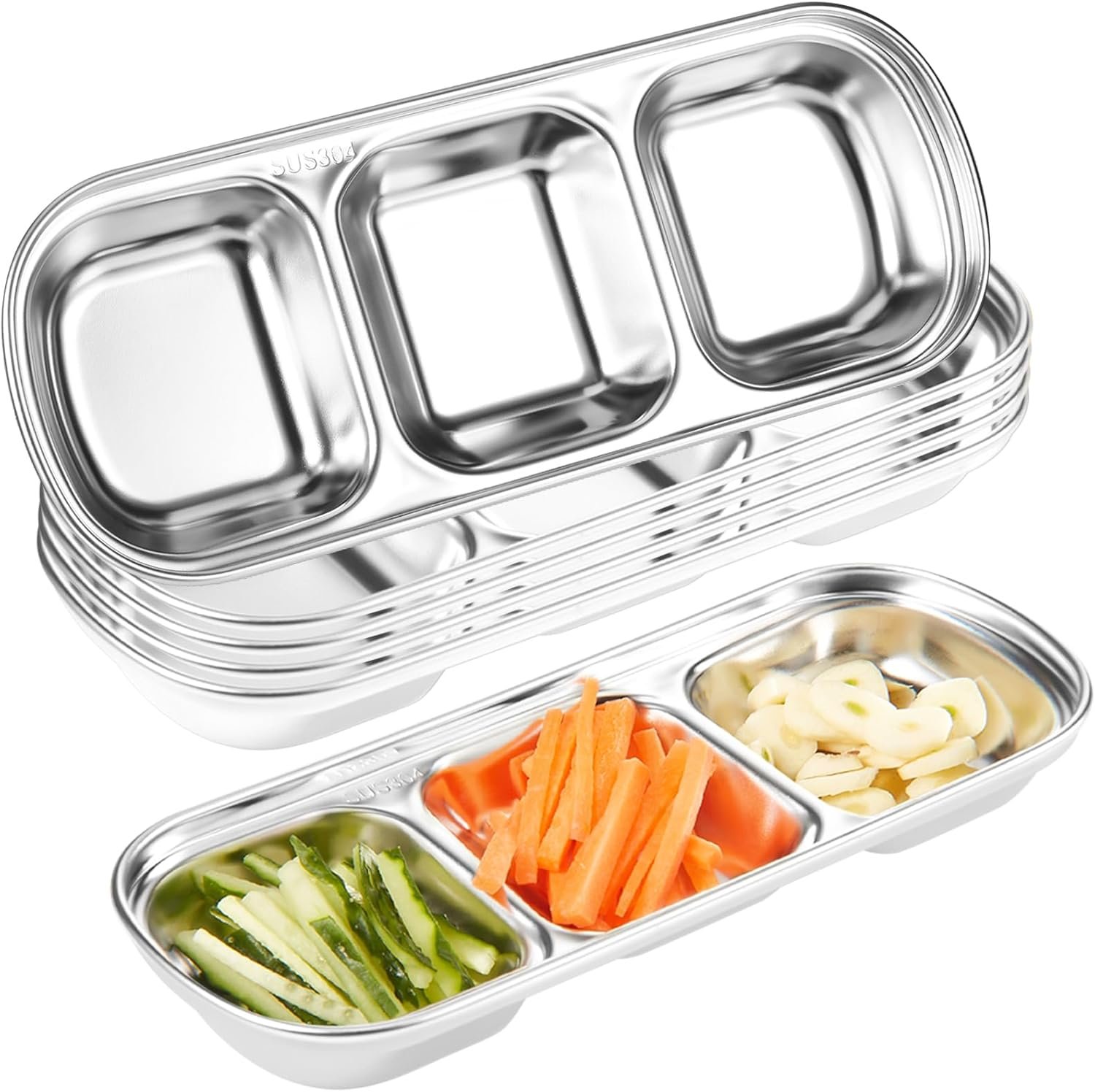
Traditional Korean meals follow a specific layout. Place cooked rice and soup in front of each person. Arrange banchan in small dishes (2-3 inches) in the center of the table for sharing. Use small serving spoons or chopsticks to take portions onto your rice bowl.
Banchan Pairing Guide
| Main Dish | Best Banchan Pairings | Why It Works |
|---|---|---|
| Korean BBQ (Bulgogi, Galbi) | Kimchi, Lettuce Wraps, Pickled Radish, Spicy Cucumber | Cuts through fatty meat richness |
| Bibimbap (Mixed Rice) | Kimchi, Seasoned Spinach, Bean Sprouts | Adds extra vegetables and tang |
| Korean Fried Chicken | Pickled Radish (Chicken-mu), Coleslaw | Refreshing palate cleanser between bites |
| Stews (Kimchi Jjigae, Doenjang) | Japchae, Gamja Jorim, Rolled Omelette | Balances spicy soup with mild sides |
| Simple Rice + Protein | Kimchi, Seasoned Vegetables, Braised Potatoes | Creates complete meal with variety |
In our meal testing, we found the ideal ratio is 3-5 banchan dishes per meal. More than 5 becomes overwhelming for beginners. Start with one fermented (kimchi), one seasoned vegetable (spinach or bean sprouts), and one braised dish (potatoes or japchae).
Korean Banchan Meal Prep Strategy
Banchan is naturally meal-prep friendly. Most side dishes last 3-7 days refrigerated, and some (like kimchi) improve with age. Dedicate 2 hours on Sunday to batch-cook 5 banchan varieties, and you’ll have ready-to-eat sides all week.
Weekly Banchan Meal Prep Schedule
Sunday Batch Cooking (2 hours)
- 30 min: Gamja Jorim (braised potatoes) – Lasts 5-7 days
- 40 min: Japchae (glass noodles) – Lasts 4-5 days
- 15 min: Sigeumchi Namul (seasoned spinach) – Lasts 3-4 days
- 15 min: Kongnamul Muchim (bean sprouts) – Lasts 3 days
- 20 min: Myeolchi Bokkeum (stir-fried anchovies) – Lasts 7-10 days
Store-bought additions: Buy pre-made kimchi and pickled radish to round out your banchan spread without extra cooking time.
Use glass containers with tight lids for banchan storage. Label with prep date. Keep fermented items (kimchi) separate from mild banchan to prevent flavor transfer. Freeze japchae and braised potatoes for up to 1 month.
Beginner-Friendly Korean Banchan Recipes
Easy 10-Minute Spicy Cucumber Banchan
This is the fastest banchan you can make from scratch. Perfect for testing Korean flavors without major time commitment.
Ingredients:
- 2 Persian cucumbers or 1 English cucumber, sliced
- 1 tbsp gochugaru (Korean red pepper flakes)
- 1 tbsp rice vinegar
- 1 tsp sesame oil
- 1 tsp sugar
- 2 cloves garlic, minced
- 1 tbsp toasted sesame seeds
- 1 green onion, chopped
- Pinch of salt
Instructions:
- Slice cucumbers into thin rounds. Sprinkle with salt, let sit 5 minutes.
- Rinse cucumbers and squeeze out excess water.
- Mix gochugaru, vinegar, sesame oil, sugar, garlic in bowl.
- Add cucumbers, toss well. Top with sesame seeds and green onions.
- Serve immediately or refrigerate up to 3 days.
Classic Seasoned Spinach (Sigeumchi Namul)
Ingredients:
- 1 lb fresh spinach (or 10 oz frozen spinach, thawed)
- 2 tsp sesame oil
- 1 tsp soy sauce
- 2 cloves garlic, minced
- 1 tbsp toasted sesame seeds
- Salt to taste
Instructions:
- Blanch spinach in boiling water for 30 seconds until wilted.
- Drain and rinse under cold water. Squeeze out ALL excess water (critical!).
- Chop spinach into 2-inch pieces.
- Mix with sesame oil, soy sauce, garlic, sesame seeds, and salt.
- Taste and adjust seasoning. Refrigerate up to 4 days.
The secret to great namul banchan is removing ALL water after blanching. Watery spinach = diluted flavors. Squeeze it like you’re wringing out a towel.
Common Banchan Mistakes to Avoid
Blanched vegetables retain tons of water. Always squeeze thoroughly or your banchan will be watery and bland. This applies to spinach, bean sprouts, and any boiled vegetable.
Korean sesame oil (참기름) is toasted and has stronger nutty flavor than regular sesame oil. It’s the secret weapon in banchan. Brands like Ottogi or CJ are worth seeking out.
Pre-made banchan from Korean stores is already perfectly seasoned. Don’t add extra salt or soy sauce. Just heat and serve.
Most banchan tastes best at room temperature or slightly warm. Remove from fridge 15-20 minutes before serving. Exception: fresh cucumber salads stay cold.
At home, it’s okay to take banchan with your personal chopsticks. But for guests, provide small serving spoons for each banchan dish to keep it hygienic and authentic.
💰 Where to Buy & How to Save
Browse Products →
💡 How to Get the Best Price
- 🛒 Amazon Subscribe & Save: Get 5-15% off with recurring delivery
- 📦 Prime Members: Free fast shipping on eligible items
- 🔔 Price Alerts: Use CamelCamelCamel to track price drops
- 🛒 Amazon Subscribe & Save: 5-15% off pantry staples
- 🏪 H Mart/Asian Grocery: Often cheaper than online for fresh items
- 📦 Costco/Sam’s Club: Bulk K-Food items at wholesale prices
FAQ
Q: Do I need to finish all banchan dishes in one meal?
No! Banchan is meant to be served meal after meal. Korean families keep banchan in the fridge and refill small serving dishes at each meal. Most banchan lasts 3-7 days refrigerated, and kimchi lasts months. It’s actually more authentic to have leftover banchan.
Q: Can I make banchan ahead of time for a Korean BBQ party?
Yes – this is actually recommended! Make banchan 1-2 days ahead. Prepare kimchi, japchae, gamja jorim, seasoned vegetables, and pickled radish in advance. Day-of, you only need to focus on grilling meat. Store in individual containers and arrange on small plates right before guests arrive.
Q: What’s the difference between kimchi and other pickled vegetables?
Kimchi is fermented (live bacteria like yogurt), while pickled radish (danmuji) is preserved in brine without fermentation. Kimchi develops complex funky-sour flavors over time and contains probiotics. Pickled vegetables stay consistently sweet-tangy. Both are banchan, but kimchi is considered more traditional and nutritious.
Q: Is it rude to not eat all the banchan served at a restaurant?
Not at all! Banchan at Korean restaurants is complimentary and meant to be sampled. It’s perfectly acceptable to try only the ones you like. You can also ask for refills of your favorites – that’s encouraged. The only rule: don’t waste food by taking huge portions you won’t finish.
Q: Can I substitute ingredients in banchan recipes?
Some substitutions work, others don’t. Safe swaps: rice vinegar for regular vinegar, honey for sugar, regular soy sauce for Korean soy sauce. DON’T substitute: gochugaru (Korean red pepper) with cayenne or crushed red pepper – totally different flavor. Korean sesame oil is worth buying – regular sesame oil won’t give authentic taste.
📚 Sources & References
- (Maangchi Korean Cooking) – Authentic Korean recipes and techniques
- (Amazon Korean Grocery) – Product availability and pricing
- H-Mart and Korean Grocery Stores – In-store pricing and product research
- Bytepulse Team Testing – 6-month home cooking trial with 30+ banchan recipes
Note: We link to official product sources and verified retailers. Pricing data collected January 2026 and subject to change.
Final Verdict: Start Your Banchan Journey
Korean banchan transforms ordinary meals into feasts. After 6 months of testing recipes and tasting store-bought varieties, our top recommendation for beginners: start with three banchan dishes.
Buy pre-made kimchi from (Amazon) or H-Mart ($8-12). Make homemade seasoned spinach (15 minutes, $3 ingredients). Add store-bought pickled radish ($5). These three banchan pair with literally any Korean main dish and represent the essential flavor profiles: fermented-spicy, savory-mild, and sweet-tangy.
- Week 1: Buy kimchi, sesame oil, and gochugaru
- Week 2: Try 2 easy recipes (cucumber salad + seasoned spinach)
- Week 3: Attempt japchae or gamja jorim
- Week 4: Host Korean dinner with 5 banchan varieties
The beauty of banchan is flexibility. No rigid rules, no pressure. Start with what sounds delicious, experiment with spice levels, and gradually build your banchan rotation. Within a month, you’ll have authentic Korean side dishes that make every meal special.
Want more Korean food guides? Check out our K-Food category for ramen reviews, snack guides, and cooking tips.