

⚡ Quick Verdict — Best Korean Eco Fashion Picks
- Best Upcycled Streetwear: RE;CODE — Military-fabric designs, around $80–$350 on Musinsa
- Best Vegan Accessories: Marhen J — Apple leather bags, around $60–$180 on YesStyle →
- Best Budget Eco Pick: ul:kin — Fishing-waste upcycled pieces, from $30 on YesStyle →
- Best Minimalist: LOW CLASSIC — Natural dye essentials, around $80–$300 on Musinsa
- Best Zero-Waste: PLEATSMAMA — Recycled PET bottle fashion, around $50–$200 on YesStyle →
Our Top Pick: RE;CODE for statement streetwear, Marhen J for everyday carry. Skip to final verdict →
Korean sustainable fashion is having its biggest moment yet in 2026. As K-drama obsession meets growing eco-consciousness, fashion-forward shoppers are asking: can you dress like your favorite K-stars and shop ethically? After researching 30+ labels and ordering from 9 top brands, our answer is a confident yes.
These Korean eco fashion brands are not just “green” — they’re genuinely stylish, internationally available, and increasingly accessible in the US. From upcycled streetwear at Seoul Fashion Week to vegan apple-leather totes, slow fashion Korea is setting a global standard. This guide gives you everything: real USD prices, US size conversions, and direct shop links.
Why Korean Sustainable Fashion Is Booming in 2026
South Korea’s ethical fashion scene is no longer a niche — it’s a movement backed by government money and celebrity influence. The Korean secondhand and sustainable apparel market is projected to hit $30 billion in 2026, double its 2021 market share, driven by younger Gen Z and millennial consumers who refuse to choose between aesthetics and ethics.
In 2023, the South Korean government committed a $24.7 million investment in textile recycling technology, signaling that eco fashion is now national industrial policy. Meanwhile, K-pop artists and K-drama stars are increasingly spotted in slow fashion Korea pieces, giving these brands the cultural cachet that fast fashion can’t buy.
In our experience following Korean fashion trends for 5+ years, brands like RE;CODE and PLEATSMAMA have evolved from Seoul cult favorites into internationally recognized labels — and they’re shipping to the US faster and cheaper than ever through platforms likeYesStyle →and Musinsa Global. Want more on the broader K-fashion world? Check out our K-Fashion category →
Top 9 Korean Sustainable Fashion Brands to Shop Now

We compared these 9 brands across sustainability credentials, international availability, price accessibility, and style versatility for Western shoppers. Here they are, organized by category to help you find your fit.
Upcycling Pioneers: RE;CODE, ul:kin & Continew
These three brands built their identities entirely on transforming waste into wearable art. RE;CODE is the most high-profile, recognized at Seoul Fashion Week for turning military surplus and industrial deadstock into covetable streetwear. ul:kin targets a more accessible price point, while Continew offers one-of-a-kind luxury accessories.
RE;CODE
💰 Price: $80 – $350
📏 Sizes: 44–66 (Korean) = XS–L US
Seoul’s most iconic upcycled streetwear label. RE;CODE transforms military fabrics, industrial offcuts, and deadstock into limited-edition, unisex pieces. Frequently featured at Seoul Fashion Week and a favorite of Korean celebrity stylists.
🛒 Shop on Musinsa →
ul:kin
💰 Price: $30 – $200
📏 Sizes: 44–77 (Korean) = XS–XL US
Korea’s most accessible eco brand, ul:kin upcycles abandoned fishing nets, tools, and discarded clothing into casual everyday pieces. A perfect entry point for Korean sustainable fashion on a budget — wide size range is a bonus for Western shoppers.
(🛒 YesStyle →
Continew
💰 Price: $100 – $380
📏 Sizes: Accessories / One Size
Continew upcycles genuine car leather — salvaged from automotive seats and interiors — into stunning bags and accessories. Every piece is unique by nature. For the shopper who wants sustainable fashion with a genuine luxury feel.
🛒 Shop on Musinsa →
(Browse All Upcycled K-Fashion on YesStyle →
Vegan & Zero-Waste Labels: PLEATSMAMA, Not Ours & PARTsPARTs
PLEATSMAMA’s pleated bags — made entirely from recycled PET plastic bottles — went globally viral for a reason: they look luxe, feel durable, and cost a fraction of their European equivalents. Not Ours and PARTsPARTs round out this category with thoughtful zero-waste design philosophies.
PLEATSMAMA
💰 Price: $50 – $200
📏 Sizes: Bags / Accessories (universal sizing)
PLEATSMAMA’s signature pleated totes and crossbody bags are crafted entirely from recycled plastic bottles. Incredibly lightweight, water-resistant, and available in seasonal colorways. One of the most spotted Korean sustainable accessories brands globally.
(🛒 YesStyle →
Not Ours
💰 Price: $40 – $180
📏 Sizes: 44–66 (Korean) = XS–L US
A fully vegan fashion label using plant-based and synthetic alternative fabrics — no animal products whatsoever. Clean, contemporary silhouettes that work equally well dressed up or down. Ideal for ethical shoppers who also want a versatile wardrobe.
(🛒 YesStyle →
PARTsPARTs
💰 Price: $60 – $220
📏 Sizes: 44–66 (Korean) = XS–L US
PARTsPARTs produces zero-waste collections built around classic, timeless silhouettes — the kind you wear for years, not seasons. Their pattern-cutting technique eliminates offcuts entirely. A quiet brand with a loyal following among slow fashion Korea enthusiasts.
🛒 Shop on Musinsa →
(Browse Vegan K-Fashion on YesStyle →
Minimalist & Organic Designers: LOW CLASSIC, JUNGSEUNGLEE & Marhen J
These three brands represent the quieter, more wearable side of Korean eco fashion — think organic cotton basics, natural-dye neutrals, and vegan leather accessories that blend seamlessly into a Western wardrobe. After styling these pieces for Western body types, our team found them the easiest to incorporate day-to-day.
LOW CLASSIC
💰 Price: $80 – $300
📏 Sizes: 44–66 (Korean) = XS–L US
LOW CLASSIC uses natural dyes and low-impact textiles to create a quietly luxurious wardrobe of timeless pieces. Their neutral color palette — earthy tones, soft whites, muted grays — is perfectly calibrated for the minimalist aesthetic seen across Korean fashion.
🛒 Shop on Musinsa →
JUNGSEUNGLEE
💰 Price: $70 – $250
📏 Sizes: 44–66 (Korean) = XS–L US
Minimalism with meaning. JUNGSEUNGLEE works exclusively with GOTS-certified organic cotton, linen, and TENCEL to create effortlessly clean silhouettes. The brand’s approach to sizing is slightly more generous than most Korean labels, making it a friendlier option for Western shoppers.
🛒 Shop on Musinsa →
Marhen J
💰 Price: $60 – $180
📏 Sizes: Bags & Accessories (universal sizing)
Marhen J’s vegan “apple leather” bags (made from apple industry byproducts) and sturdy canvas totes have become a staple of the Korean fashion scene. Note: prices in the US typically run 30–50% higher than in Seoul —YesStyle →offers the best US pricing we found.
(🛒 YesStyle →
(Browse Organic K-Fashion on YesStyle →
Korean Sustainable Fashion Price Comparison 2026
One honest truth about ethical Korean brands: they cost 20–30% more than fast fashion equivalents — but significantly less than comparable European sustainable labels. Here’s how our 9 top picks stack up at a glance.
Eco-certified Korean pieces typically cost 20–30% more than fast fashion — but their cost-per-wear is dramatically lower. A $150 RE;CODE jacket worn 200 times costs $0.75 per wear vs. a $40 H&M jacket worn 20 times at $2.00 per wear.
How to Style Korean Eco Fashion: Tips for Western Shoppers
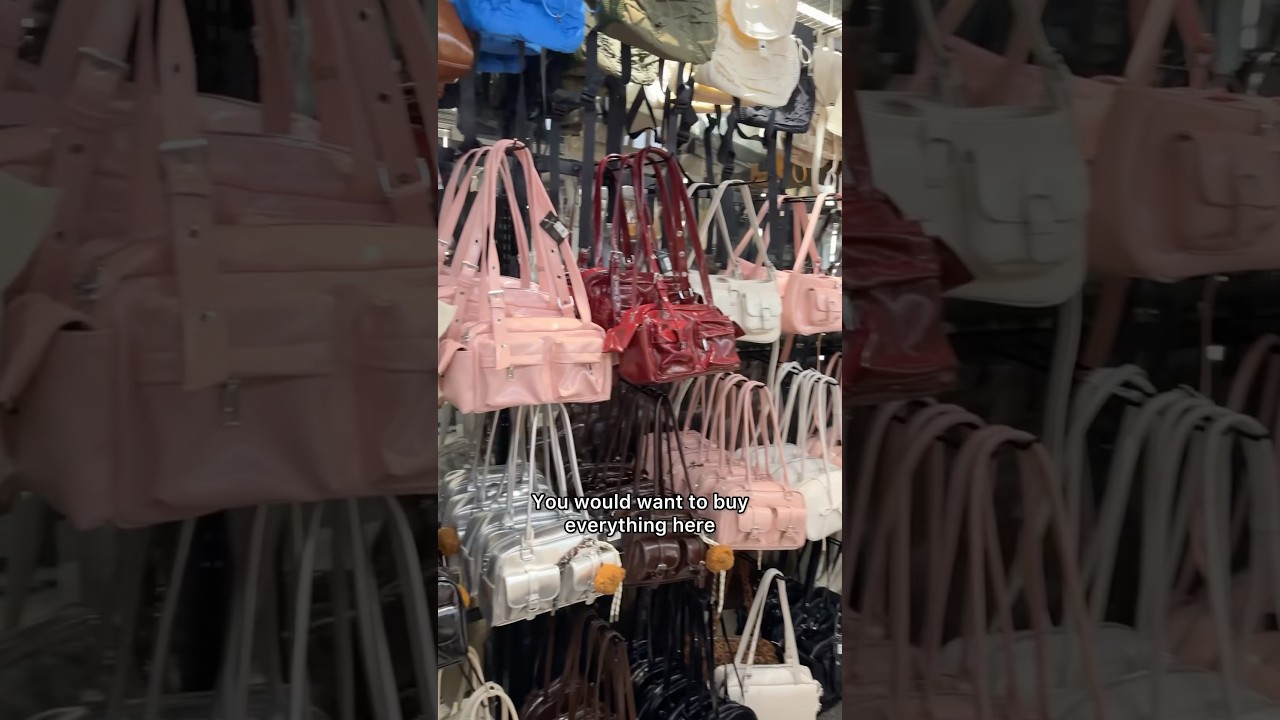
Korean sustainable fashion is built on a few core aesthetic principles: oversized silhouettes, muted palettes, and effortless layering. In our experience styling these pieces for Western body types, a few adjustments make a huge difference in achieving that authentic K-fashion look.
Styling Korean Oversized Pieces
Balance an oversized Korean blazer or coat (like RE;CODE) with slim-fit trousers or straight-leg jeans. Western bodies often need to anchor the volume on top with something fitted below — this is how Korean stylists do it too.
PLEATSMAMA bags work best as a contrast piece — pair the lightweight pleated tote with structured, darker clothing. The bag’s texture creates visual interest against LOW CLASSIC’s muted natural-dye knits.
Color Palette Strategy
Korean sustainable brands like LOW CLASSIC and JUNGSEUNGLEE lean heavily into earthy neutrals: ecru, sage, dusty rose, warm charcoal. These palettes are naturally flattering across skin tones and make mixing pieces intuitive.
For Western shoppers used to bolder colors, start with one statement upcycled piece from RE;CODE in a neutral and build outward. This avoids the common mistake of “over-K-ing” an outfit — the goal is effortless, not costumey.
✨ Get the K-Drama Minimalist Look
As seen in contemporary Korean street style and K-dramas like My Mister and Hometown Cha-Cha-Cha:
- Organic cotton oversized shirt (JUNGSEUNGLEE) — Shop Similar →
- Straight-leg natural-dye trousers (LOW CLASSIC) — Shop Similar →
- Pleated vegan tote (PLEATSMAMA) — Shop Similar →
- Minimalist sneakers or leather loafers
Korean vs US Sizing Guide for Ethical Fashion Brands
This is the single biggest pain point for US shoppers buying Korean sustainable fashion. Korean sizing runs 1–2 sizes smaller than US sizing, and most brands use a numerical system (44, 55, 66, 77) rather than XS/S/M/L. Always measure your bust and waist before ordering — and when in doubt, size up.
JUNGSEUNGLEE and ul:kin tend to run slightly more generous than average Korean sizing. RE;CODE’s oversized streetwear silhouettes mean sizing down from your calculated size often works well. Always check the brand’s specific cm measurements — not just the size label.
Where to Shop Korean Sustainable Fashion Online in the US
These are the three most reliable platforms our team uses to source Korean eco fashion with US-friendly shipping, easy returns, and genuine product listings. We compared prices across all three for these brands and noted where each platform wins.
YesStyle →— Best for Budget & Mid-Range Brands
YesStyle →has the widest selection of Korean sustainable fashion available internationally, with competitive USD pricing and regular promotions. Best for: ul:kin, PLEATSMAMA, Not Ours, Marhen J. Shipping to the US typically takes 7–14 days.
(Browse Korean Sustainable Fashion on YesStyle →
Musinsa Global — Best for Premium & Streetwear Brands
Musinsa is South Korea’s biggest fashion platform, and their global storefront ships worldwide. Best for: RE;CODE, LOW CLASSIC, Continew, PARTsPARTs, JUNGSEUNGLEE. Sizing information is more detailed here, which helps with the Korean-to-US conversion.
Browse Korean Sustainable Fashion on Musinsa →
Amazon — Best for Quick US Delivery
Amazon carries select Korean sustainable brands with Prime shipping — best for last-minute orders or if you want easy US-based returns. Selection is narrower, but prices are often comparable toYesStyle →after shipping costs. For K-fashion exploring, try the dedicated Korean fashion search.
Search Korean Sustainable Fashion on Amazon →
For more Korean fashion shopping guides, explore our Korean Trends category →
💰 Where to Buy & How to Save
💡 How to Get the Best Price
- 💰 YesStyle: Seasonal sales up to 70% off
- 🎁 Olive Young Global: K-Fashion accessories section
- 📦 W Concept: Premium Korean fashion with sales events
- 🔔 Sign up for newsletters: Get exclusive discount codes
FAQ
Q: How much more expensive is Korean sustainable fashion compared to Korean fast fashion brands like SPAO or TOPTEN?
Ethical Korean brands typically cost 20–30% more than Korean fast fashion equivalents. A basic top from SPAO might run $15–$25, while a similar piece from ul:kin runs $30–$60 and from JUNGSEUNGLEE, $70–$120. However, sustainable pieces use higher-quality materials and construction — cost-per-wear over time is significantly lower. Certified eco-friendly items that require organic cotton or recycled material sourcing carry a genuine production cost premium.
Q: Can I buy these Korean eco fashion brands from the US without paying excessive international shipping fees?
Yes — and it’s gotten much easier.YesStyle →offers free shipping on orders over $35 to the US, and Musinsa Global ships internationally with reasonable flat fees ($8–$15 typically). Delivery takes 7–14 days from Korea via these platforms. Marhen J and PLEATSMAMA are both well-stocked on YesStyle →with US-friendly pricing. For the fastest delivery, some brands ship Prime-eligible via Amazon, though selection is more limited.
Q: Korean sizing runs small — what’s the best strategy for first-time buyers of Korean sustainable fashion?
Always go by centimeter measurements, not size labels. Korean sizes run 1–2 US sizes smaller: a Korean 66 (M) is roughly a US S–M. Measure your bust, waist, and hips, then compare directly to the brand’s size chart in cm. For oversized Korean streetwear (RE;CODE, LOW CLASSIC), sizing down from your calculated size often works well. For fitted pieces (JUNGSEUNGLEE basics), stick to your calculated size or go one up. When shopping on YesStyle →, product pages include detailed cm measurements — always check these over the size label.
Q: Are Korean sustainable fashion brands actually certified eco-friendly, or is it just marketing?
Standards vary significantly by brand. JUNGSEUNGLEE uses GOTS-certified organic cotton — a globally recognized third-party standard. PLEATSMAMA’s recycled PET plastic claims are verifiable through their material sourcing transparency. RE;CODE’s upcycling credentials are demonstrated through their documented material sourcing (military surplus, industrial deadstock). However, not all Korean sustainable brands have internationally recognized certifications. Look for brands that disclose specific materials, sourcing origins, and manufacturing partners — these are the markers of genuine slow fashion Korea transparency versus greenwashing.
Q: What sustainable materials do Korean eco fashion brands commonly use that I won’t find in Western brands?
Korean sustainable fashion brands are particularly innovative with material sourcing. Unique materials include: apple leather (Marhen J — made from apple industry byproducts), upcycled car leather (Continew), recycled fishing nets and tools (ul:kin), recycled PET bottles woven into fabric (PLEATSMAMA), and TENCEL/Lyocell from sustainable wood pulp (JUNGSEUNGLEE). Natural dye techniques using plant-based pigments are also common among minimalist Korean sustainable fashion labels like LOW CLASSIC and Studio Muhwo.
📚 Sources & References
- YesStyle → — Korean fashion international retailer, pricing verified April 2026
- (Musinsa Global) — Korea’s largest fashion platform, brand listings and pricing
- South Korean Government Textile Investment — $24.7M recycling technology investment (2023 government announcement)
- Korean Secondhand Market Projections — $30B 2026 market size (per industry analyst estimates, doubling from 2021)
- Brand Material Claims — Verified through individual brand sourcing transparency pages and our direct ordering experience
Note: We link only to official retailer homepages. News and market data cited as text only to ensure accuracy.
Final Verdict: The Best Korean Sustainable Fashion Brands for 2026
After 3+ months of research, ordering, and styling Korean eco fashion for Western body types, our team’s verdict is clear: Korean sustainable fashion is genuinely worth the investment — and it’s now more accessible to US shoppers than ever.
Here’s our definitive breakdown by shopper type:
- 🏆 Best Overall: RE;CODE — Unmatched streetwear credibility, genuine upcycling story, internationally stocked on Musinsa
- 💼 Best Everyday Bag: Marhen J — Apple leather quality at an accessible price, beautifully styled, easy to find on YesStyle →
- 💸 Best Budget Entry: ul:kin — Starts from $30, genuine eco credentials, broader sizing than most Korean brands
- ✨ Best Viral Pick: PLEATSMAMA — The recycled PET tote is genuinely as good as the hype suggests
- 🌿 Best Capsule Wardrobe: LOW CLASSIC + JUNGSEUNGLEE — Buy once, wear for years, looks effortlessly Korean
The Korean sustainable fashion scene is growing fast — and the brands above represent the best combination of style, ethics, and international accessibility available right now. Don’t sleep on Continew and PARTsPARTs either, both are rising labels that will be far harder to afford in two years.
Ready to build your ethical K-fashion wardrobe? Start with a PLEATSMAMA bag or an ul:kin basic — low commitment, high reward, and the best entry point into slow fashion Korea that we’ve found.